

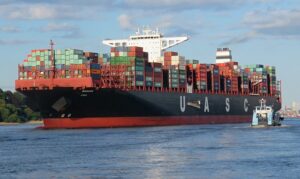
A research-based ranking of the world’s leading logistics operations by financial strength, global reach, workforce, infrastructure, and operational capability
Introduction
Logistics is one of the most powerful engines of the global economy. It connects manufacturers, suppliers, distributors, retailers, consumers, industries, and nations through the movement of goods, materials, equipment, and commodities. Behind the availability of products in supermarkets, manufacturing plants, warehouses, seaports, airports, and online marketplaces are sophisticated logistics operations working across international borders.
The world’s leading logistics companies compete not only through annual revenue but also through the strength of their transportation networks, warehouse infrastructure, fleet capacity, technological innovation, workforce, international presence, supply chain integration, and ability to deliver reliably on a large scale.
This article examines ten of the world’s most influential logistics companies, using a broad assessment of financial performance, operational scale, workforce, international coverage, assets, transportation capabilities, and market influence.
Ranking methodology or Procedure
The ranking is based on a combination of:
- Annual revenue and financial capacity.
- Number of employees and workforce strength.
- International presence and countries served.
- Physical assets and infrastructure.
- Transportation capacity and operational networks.
- Supply chain services and technological capabilities.
- Market influence and ability to manage large-scale global logistics.
The ranking is an analytical assessment rather than an official universal league table. Revenue figures are approximate reported 2024/2025 figures, depending on company reporting periods and the availability of comparable logistics-specific information. Total corporate revenue is not always directly comparable with logistics-only revenue.
1. DHL Group – Germany
The Global Benchmark for Integrated Logistics Operations
Estimated annual revenue: Approximately €82.9 billion
Workforce: Approximately 600,000 employees
Global coverage: More than 220 countries and territories
DHL Group occupies the leading position in this ranking because of its exceptional combination of international reach, logistics infrastructure, operational diversity, and established global brand.
Its business operations include international express delivery, freight forwarding, contract logistics, warehousing, supply chain management, e-commerce logistics, parcel delivery, and specialized transportation services.
DHL operates an extensive network of aircraft, delivery vehicles, sorting facilities, distribution centres, warehouses, logistics hubs, and international freight infrastructure. Its ability to coordinate air, road, rail, ocean, and warehouse operations makes it one of the most comprehensive logistics organizations in the world.
Its workforce is another major advantage, enabling operations across continents, industries, and customer segments.
Why it ranks No. 1: DHL combines enormous revenue, an extensive international network, a large workforce, diversified logistics services, and a strong infrastructure base that supports businesses and consumers globally.
2. UPS – United States
A World-Class Parcel, Freight and Supply Chain Delivery Network
Annual revenue: Approximately $91 billion
Workforce: Approximately 490,000 employees
Global coverage: More than 200 countries and territories
UPS is one of the world’s largest transportation and logistics companies, with a strong reputation for parcel delivery, international freight, supply chain solutions, and integrated transportation services.
Its operations are supported by a massive fleet of delivery vehicles, cargo aircraft, sorting facilities, distribution centres, automated parcel-processing systems, and international logistics hubs.
UPS’s global air network is particularly important for time-sensitive shipments, while its road transportation network supports domestic and international deliveries, business distribution, and e-commerce fulfilment.
The company also provides freight transportation, customs brokerage, healthcare logistics, supply chain management, and specialized services for businesses operating in different industries.
Why it ranks No. 2: UPS’s exceptionally high revenue, extensive fleet and network infrastructure, workforce, operational efficiency, and international delivery capabilities make it one of the strongest logistics operators in the world.
3. FedEx – United States
The Powerhouse of Express Transportation and Global Freight Connectivity
Annual revenue: Approximately $87 billion
Workforce: Approximately 500,000 employees, including employees and service providers across its broader operating network
Global coverage: More than 220 countries and territories
FedEx is one of the world’s most recognized logistics organizations, particularly in express delivery, air freight, international parcel transportation, and time-sensitive distribution.
Its operations are supported by a large cargo aircraft network, road transportation fleet, automated sorting facilities, regional distribution centres, and strategically positioned international hubs.
FedEx is particularly important to international trade because it enables businesses to move documents, industrial components, pharmaceuticals, electronics, commercial goods, and other time-sensitive products between global markets.
Its operational strength lies in integrating air transportation, ground delivery, freight services, customs support, and digital shipment visibility.
Why it ranks No. 3: FedEx’s substantial annual revenue, aircraft and vehicle capacity, extensive transportation network, global presence, and expertise in time-critical logistics justify its position among the world’s top logistics operators.
4. CMA CGM Group – France
A Maritime Logistics Giant Connecting Global Trade Routes
Annual revenue: Approximately $55 billion
Workforce: More than 150,000 employees across the wider group
Global coverage: Operations and services across more than 160 countries
CMA CGM is a major global shipping and logistics organization whose influence extends beyond maritime transportation into integrated logistics, port operations, warehousing, inland transportation, and air cargo.
The company operates a large container shipping network connecting major international ports and trade corridors. Its maritime capacity is supported by container vessels, port terminal operations, container equipment, logistics facilities, inland transportation services, and digital supply chain platforms.
Its logistics operations are particularly important to global importers, exporters, manufacturers, retailers, and businesses that depend on large-scale international cargo movements.
CMA CGM’s expansion into logistics and air freight has strengthened its ability to offer customers broader transportation solutions rather than relying exclusively on ocean shipping.
Why it ranks No. 4: Its enormous revenue, global shipping capacity, maritime assets, international trade infrastructure, workforce, and expanding integrated logistics operations place it among the world’s most influential logistics groups.
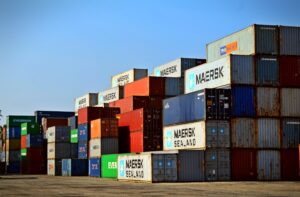
5. Maersk – Denmark
The Integrated Supply Chain Leader
Annual revenue: Approximately $55 billion
Workforce: Approximately 100,000 employees
Global coverage: Operations across more than 130 countries
Maersk is one of the most influential companies in global supply chain management, with major operations in ocean transportation, port services, inland logistics, air freight, warehousing, distribution, and supply chain management.
Its transportation infrastructure includes container ships, containers, port terminals, logistics facilities, inland transport arrangements, and digital systems designed to coordinate the movement of cargo across international supply chains.
Maersk’s strategic focus on integrated logistics enables customers to manage international cargo movements through a more connected transportation and supply chain system.
Its operations support businesses involved in manufacturing, retail, agriculture, energy, consumer goods, and international commerce.
Why it ranks No. 5: Maersk combines high revenue, substantial maritime infrastructure, global trade connectivity, container capacity, and increasingly integrated logistics services to support complex international supply chains.
6. DSV – Denmark
A Global Logistics Network Built on Freight, Technology and Strategic Expansion
Estimated 2025 revenue: Approximately €39.3 billion, including the pro forma impact of Schenker
Workforce: More than 150,000 employees following major expansion
Global coverage: Operations in more than 90 countries
DSV is one of the largest global third-party logistics providers, offering air freight, sea freight, road transportation, contract logistics, warehousing, customs services, and supply chain management.
The company has expanded its global footprint through strategic acquisitions, strengthening its operational capacity, geographic coverage, and customer base.
DSV’s operations rely heavily on international freight networks, warehouse infrastructure, transport partnerships, logistics technology, and coordination of cargo movements across multiple countries.
Its acquisition-driven expansion has significantly increased its scale and competitive position in the global logistics industry.
Why it ranks No. 6: DSV’s impressive logistics revenue, international freight operations, global warehouse network, expansion strategy, technological capability, and growing workforce make it one of the world’s largest logistics providers.
7. Kuehne + Nagel – Switzerland
The Specialist in International Freight Forwarding and Supply Chain Management
Annual revenue: Approximately CHF 24.5 billion
Workforce: Approximately 85,000 employees
Global coverage: Approximately 100 countries; operations in 90-plus countries
Kuehne + Nagel is one of the world’s leading freight forwarding and logistics companies, particularly in sea freight, air freight, road transportation, and contract logistics.
Its business model is built around coordinating cargo movements for international customers, managing transportation capacity, optimizing supply chains, providing customs-related services, and delivering specialized logistics solutions.
The company operates a broad international network of offices, logistics facilities, warehouses, freight management operations, and digital supply chain platforms.
It is particularly strong in ocean freight forwarding and air logistics, providing services to businesses that depend on reliable international cargo transportation.
Why it ranks No. 7: Its global freight forwarding expertise, strong financial performance, extensive international operations, workforce, and large-scale cargo management capabilities make it one of the most respected logistics organizations worldwide.
8. SF Express – China
Asia’s Logistics Technology and Express Delivery Champion
Annual logistics revenue: Approximately $39.6 billion in reported freight revenue, depending on classification
Workforce: More than 100,000 employees across the broader operating network
Global coverage: Extensive operations throughout China and international services across multiple regions
SF Express is one of China’s largest logistics organizations and a major player in express delivery, freight forwarding, supply chain management, warehousing, e-commerce distribution, and international transportation.
The company has invested heavily in logistics technology, automated sorting systems, aviation infrastructure, digital tracking, and intelligent distribution networks.
Its operations are particularly significant in China’s domestic logistics market, where the scale of manufacturing, e-commerce, retail distribution, and consumer demand requires sophisticated transportation and delivery systems.
SF Express has also expanded its international freight and supply chain operations to support cross-border trade.
Why it ranks No. 8: Its large revenue base, strong domestic logistics network, technology investments, express transportation capacity, and growing international footprint make it a leading global logistics operator.
9. Nippon Express – Japan
A Global Logistics Specialist with Strong Industrial Supply Chain Capabilities
Annual revenue: Approximately ¥3 trillion-plus, depending on consolidated reporting period and currency
Workforce: Approximately 70,000-plus employees
Global coverage: Operations across numerous countries and regions
Nippon Express, operating under the NX Group identity, is a major international logistics provider offering air freight, ocean freight, road transportation, warehouse management, industrial logistics, relocation, and supply chain solutions.
The company has strong experience in industrial logistics, particularly for manufacturers, automotive supply chains, technology businesses, machinery, and international commercial distribution.
Its operations combine transportation networks, warehousing, freight forwarding, customs-related services, logistics planning, and specialized cargo handling.
The organization is also well positioned to support international supply chains connecting Asia with Europe, North America, and other major commercial regions.
Why it ranks No. 9: Its substantial revenue, workforce, industrial logistics expertise, international transportation network, and ability to manage complex supply chains make it one of the world’s major logistics organizations.
10. GXO Logistics – United States
The Warehouse and Contract Logistics Operations Specialist
Annual revenue: Approximately $11–13 billion, depending on reporting period and classification
Workforce: More than 100,000 employees
Global coverage: Operations in approximately 30-plus countries
GXO Logistics specializes in contract logistics, warehousing, distribution, fulfilment, reverse logistics, supply chain technology, and advanced warehouse operations.
Unlike companies whose primary operations are parcel delivery or maritime transportation, GXO focuses heavily on managing the logistics functions of other businesses.
Its operations include large-scale warehouse facilities, automated distribution systems, robotics, inventory management technology, order fulfilment infrastructure, and supply chain optimization.
GXO provides logistics services to customers in retail, e-commerce, technology, manufacturing, consumer goods, and other sectors requiring sophisticated warehouse and distribution operations.
Its business model allows customers to outsource warehousing, inventory control, fulfilment, and other supply chain activities to a specialized logistics operator.
Why it ranks No. 10: Its strong revenue, large workforce, warehouse infrastructure, technology-driven operations, and expertise in contract logistics make it one of the world’s leading specialized logistics providers.
Comparative Overview of the Top 10 Global Logistics Companies
| Rank | Company | Headquarters | Approx. Annual Revenue | Key Operational Strength |
|---|---|---|---|---|
| 1 | DHL Group | Germany | €82.9bn | Integrated global logistics |
| 2 | UPS | USA | $91bn | Parcel, freight and delivery network |
| 3 | FedEx | USA | $87bn | Express air and freight transportation |
| 4 | CMA CGM | France | $55bn | Maritime and integrated logistics |
| 5 | Maersk | Denmark | $55bn | Ocean freight and integrated supply chain |
| 6 | DSV | Denmark | €39.3bn* | Freight forwarding and contract logistics |
| 7 | Kuehne + Nagel | Switzerland | CHF 24.5bn | Air, sea and freight forwarding |
| 8 | SF Express | China | ~$39.6bn** | Express and technology-driven logistics |
| 9 | Nippon Express | Japan | ~¥3tn+*** | Industrial and international logistics |
| 10 | GXO Logistics | USA | ~$11–13bn | Contract logistics and warehousing |
*DSV figure includes a pro forma estimate reflecting the Schenker acquisition.
**SF Express revenue classification may vary between total company revenue and freight/logistics revenue.
**Nippon Express figure is indicative and depends on reporting period and consolidation basis.
What Makes These Companies Global Logistics Leaders?
The strength of these organizations goes beyond their financial statements. Their competitive advantage is built on several operational pillars:
1. International Network Coverage
They have the capacity to operate across multiple countries, international trade corridors, regional hubs, and major commercial markets.
2. Transportation Assets and Capacity
Their operations rely on aircraft, ships, trucks, containers, terminals, warehouses, sorting facilities, and transportation partnerships that enable goods to move efficiently.
3. Workforce and Operational Expertise
Their employees perform complex functions involving fleet management, freight forwarding, warehouse operations, customs coordination, distribution, customer service, supply chain planning, technology, and operational leadership.
4. Technology and Automation
Modern logistics requires digital tracking, warehouse management systems (WMS), transportation management systems (TMS), automated sorting, robotics, data analytics, route optimization, and intelligent inventory management.
5. Financial Strength and Business Resilience
Large revenues and financial capacity enable logistics companies to invest in infrastructure, expand their networks, acquire businesses, adopt new technologies, and respond to disruptions in global supply chains.
6. Supply Chain Integration
The strongest logistics organizations can coordinate multiple operational stages—from supplier collection and warehousing to international transportation, customs clearance, distribution, and final delivery.
The Architecture of Global Logistics Leadership
Nevertheless, the world’s leading logistics companies represent the backbone of international commerce. Their success is measured not merely by annual revenue or the number of employees they engage, but by their ability to coordinate complex transportation networks, manage large-scale assets, operate across international borders, integrate technology, maintain service reliability, and respond to the changing demands of global supply chains.
DHL, UPS, FedEx, CMA CGM, Maersk, DSV, Kuehne + Nagel, SF Express, Nippon Express, and GXO Logistics demonstrate different forms of logistics excellence. Some dominate express delivery and parcel transportation; others excel in maritime freight, international forwarding, contract logistics, warehouse management, or integrated supply chain solutions.
Ultimately, a world-class logistics operation is defined by the successful integration of people, assets, technology, infrastructure, processes, and strategic planning to deliver goods safely, efficiently, reliably, and cost-effectively across the global economy.
Research sources and ranking references
The ranking and comparative assessment draw primarily on logistics industry rankings, corporate financial reports, and logistics revenue comparisons:
Note: Because the companies operate different business models, some figures represent group-wide revenue while others reflect freight or logistics-specific revenue. The ranking should therefore be understood as a broad comparative assessment of global logistics leadership, not a strictly audited league table using one uniform revenue definition.
Images credited to pixabay
